April Blog 2026
Grow Plants in the Soil They Evolved For
Long before garden beds and fertilizers, plants learned how to grow in the wild, and they haven’t forgotten. Before we ever planted a garden, vegetables grew in floodplains, berries thrived along forest edges, and fruit trees rooted themselves in undisturbed soil.
The Missing Piece in Gardening
Most people ask:“What fertilizer should I use?”
But the better question is:“What kind of soil did this plant evolve in?”
Because plants didn’t come from garden centers or nurseries like ours. They came from specific ecosystems, and they still expect those conditions today.
Vegetables: Built for Disturbance
Vegetables evolved in places where the soil was constantly being disturbed and refreshed, like:
river floodplains
open grasslands
areas with animal activity
These environments were rich in fast-moving nutrients and bacterial life.
So vegetables adapted to:
grow quickly
take in nutrients fast
complete their life cycle in one season
That’s why vegetables love:
compost
manure
regular feeding
worked soil
They were designed by nature for that kind of environment which closely mimics how well kept vegetable gardens are maintained today.
Berries: Children of the Forest Edge
Berries didn’t evolve in garden beds.
They evolved on the edges of forests, where:
Leaves fall and slowly decompose
wood breaks down over time
soil is rarely disturbed
These soils are dominated by fungi.
So berries adapted to:
slower, steady nutrition
fungal-rich soil
thick organic layers
That’s why they thrive with:
wood chips
bark
pine needles
undisturbed soil
You’re not just growing berries—you’re recreating a woodland edge.
Fruit Trees: Raised in Stability
Fruit trees evolved in long-term, stable environments, not tilled fields.
They grew in soils full of:
fallen leaves
decomposing wood
deep fungal networks
Over time, they developed relationships with fungi that help them:
access nutrients
handle drought
build stronger root systems
That’s why fruit trees prefer:
mulch over bare soil
slow, steady feeding
minimal disturbance
In a way, a healthy orchard is trying to mimic a young forest.
Plants haven’t changed, but how we grow them has.
When we grow:
vegetables like forest plants
trees like vegetables
berries like garden crops
…we’re fighting against what those plants were built for and how nature developed them.
A Simple Shift in Perspective
Instead of asking “What should I feed this plant so I can have more fruit?”
Start asking: “Where did this plant come from and what environment did it evolve in?”
This simple shift in perspective can take you to the next level of gardening for your fruits and vegetables. If your having a hard time with your current gardening routine, why not give this a try?
Preferred Environments
Plant Type | Natural Environment | What to Add |
Vegetables | Floodplains / disturbed soil | Compost & nutrients |
Berries | Woodland edge | Wood chips & organic matter |
Fruit Trees | Forest-like systems | Mulch & stable soil |
Now that we understand where plants evolved, the next step is simple. Match your soil inputs to the environment each plant type is native to.
Compost (feeds bacteria and promotes quick break down of nutrients for seasonal use)vsMulch (feeds fungi and promotes long term storage of nutrients and moisture from fungal network)
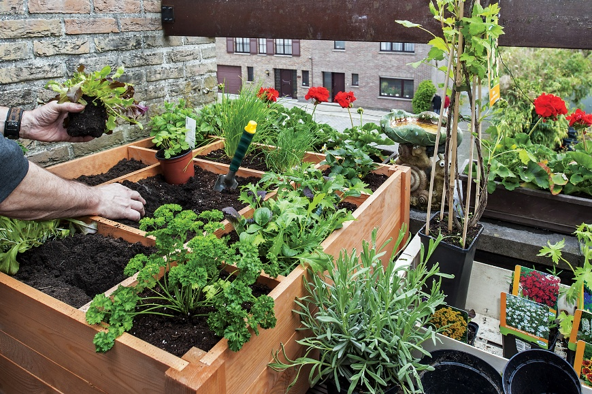
Vegetables (More Compost, Less Mulch)
Vegetables evolved in nutrient-rich, disturbed soils, so they need fast access to nutrients.
What to do:
Mix compost into the soil before planting
Side dress with compost during the season
Light mulch is okay, but not required
Ideal balance:
70–80% compost influence / 20–30% mulch
Simple method:
Prep beds with compost
Plant
Add a light mulch layer (optional)

Berries (Balanced, Leaning Mulch)
Berries come from the forest edge, so they want both:
some nutrient availability
but mostly fungal-rich conditions
What to do:
Add a small amount of compost at planting and maintain until winter
Maintain a 2-4 inch mulch layer year-round
Avoid heavy tilling or disturbance
Ideal balance:
30–40% compost / 60–70% mulch
Simple method:
Light compost in soil maintained until winter
Top with 2–4 inches of mulch (wood chips, bark, pine needles)
Refresh mulch regularly

Fruit Trees (Mulch Dominant)
Fruit trees evolved in stable, fungal environments, not garden beds.
What to do:
Apply compost lightly (mainly for biology boost)
Keep soil covered with mulch at all times
Avoid over-fertilizing in late summer
Ideal balance:
10–20% compost / 80–90% mulch
Simple method:
Light compost layer in early season, thin layer maintained until winter
Maintain 3–4 inches of mulch under the drip line
Keep mulch a few inches away from the trunk
Balance Cheat Sheet
Plant Type | Compost | Mulch |
Vegetables | Heavy | Light |
Berries | Moderate | Moderate-Heavy |
Fruit Trees | Light | Heavy |
The closer your soil matches the environment a plant evolved in, the easier it will grow. Nature already figured it out, we just have to follow her lead. We’re not just feeding plants, we’re rebuilding the ecosystems they came from. Build the soil your plants remember and they’ll take care of the rest.


Comments